Understanding Headache Symptoms Linked to Eye Anomalies and Their Management Techniques
- chasmebaaz
- Mar 30
- 3 min read

Headaches are a common complaint worldwide, but when they occur alongside eye-related issues, they can signal underlying problems that deserve attention. Many people experience headaches triggered or worsened by eye anomalies, yet they often overlook the connection. Understanding how eye conditions contribute to headaches and learning how to manage these symptoms can improve quality of life significantly.
This article explores the relationship between headaches and eye anomalies, the symptoms to watch for, and practical ways to address these issues effectively.

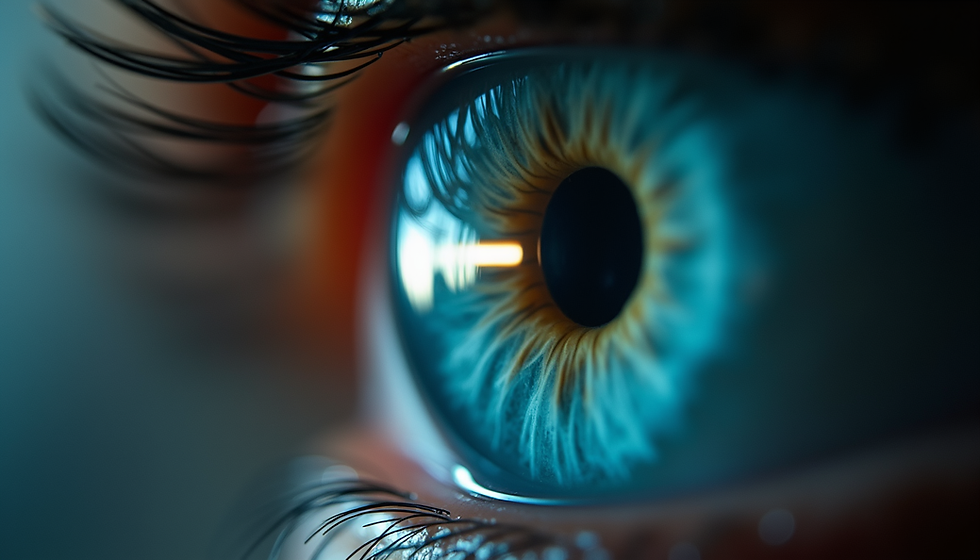
Close-up of an eye showing signs of strain and redness, a common factor in headache symptoms
How Eye Anomalies Cause Headaches
Eye anomalies can cause headaches through several mechanisms. The eyes and brain are closely linked, and when the eyes struggle to focus or experience strain, the brain reacts by triggering pain signals.
Common Eye Conditions Linked to Headaches
Refractive Errors
Conditions like nearsightedness, farsightedness, and astigmatism force the eyes to work harder to focus. This extra effort can cause eye strain, leading to tension headaches.
Eye Muscle Imbalance (Strabismus)
When the eye muscles do not coordinate properly, the brain receives conflicting images. This mismatch causes the eyes to strain to align vision, often resulting in headaches.
Presbyopia
Age-related difficulty focusing on close objects can cause people to squint or strain, triggering headaches.
Dry Eye Syndrome
Insufficient tear production or poor tear quality causes irritation and discomfort. The resulting eye strain can contribute to headaches.
Glaucoma and Increased Eye Pressure
Elevated pressure inside the eye can cause pain around the eyes and head, sometimes mistaken for a headache.
Optic Neuritis
Inflammation of the optic nerve can cause sharp eye pain and headaches, often accompanied by vision changes.
Symptoms to Identify Eye-Related Headaches
Recognizing when headaches are linked to eye problems is crucial. Symptoms often include:
Pain around or behind the eyes
Blurred or double vision
Eye redness or irritation
Sensitivity to light
Difficulty focusing or frequent squinting
Feeling of eye fatigue after reading or screen use
Headaches that worsen with visual tasks
If these symptoms accompany your headaches, an eye examination is recommended.
Diagnosing Eye-Related Headaches
A thorough eye exam is essential to diagnose the cause of headaches linked to eye anomalies. Eye care professionals use several methods:
Visual Acuity Test
Measures how well you see at different distances.
Refraction Assessment
Determines the correct lens prescription to reduce strain.
Eye Muscle Function Tests
Check for coordination and alignment issues.
Slit Lamp Examination
Inspects the eye’s surface for dryness or inflammation.
Intraocular Pressure Measurement
Screens for glaucoma.
Neurological Evaluation
If optic nerve problems are suspected, further tests may be needed.
Early diagnosis helps tailor treatment to reduce headaches effectively.
Managing Headache Symptoms from Eye Anomalies
Once an eye-related cause is identified, several management techniques can help reduce or eliminate headaches.
Corrective Lenses
Prescription glasses or contact lenses that correct refractive errors can significantly reduce eye strain. Special lenses such as:
Progressive lenses for presbyopia
Prism lenses for eye muscle imbalance
Anti-reflective coatings to reduce glare from screens and lights
These options improve visual comfort and reduce headache frequency.
Eye Exercises
For muscle imbalance or coordination issues, eye exercises prescribed by an optometrist or vision therapist can strengthen eye muscles and improve alignment. Examples include:
Focusing on near and far objects alternately
Tracking moving objects with the eyes
Convergence exercises to improve inward eye movement
Regular practice can ease strain and reduce headaches.
Managing Dry Eyes
Treating dry eye syndrome involves:
Using artificial tears or lubricating eye drops
Taking breaks during screen time to blink more often
Using humidifiers to maintain moisture in the air
Avoiding irritants like smoke or wind
Reducing dryness helps prevent irritation-related headaches.
Lifestyle Adjustments
Simple changes can reduce eye strain and headaches:
Adjusting screen brightness and contrast
Maintaining proper posture and screen distance (about arm’s length)
Taking regular breaks using the 20-20-20 rule: every 20 minutes, look at something 20 feet away for 20 seconds
Ensuring adequate lighting to avoid glare or shadows
Medical Treatments
In cases of glaucoma or optic neuritis, medical intervention is necessary. Treatments may include:
Eye drops to lower intraocular pressure
Anti-inflammatory medications
Referral to a neurologist or ophthalmologist for specialized care
Always follow professional advice for these conditions.
When to Seek Professional Help
If headaches are frequent, severe, or accompanied by vision changes, immediate consultation with an eye care professional is important. Untreated eye anomalies can worsen and lead to chronic pain or vision loss.
Seek help if you experience:
Sudden vision loss or double vision
Severe eye pain with headache
Persistent headaches despite corrective lenses
Nausea or vomiting with headache and eye pain
Early intervention improves outcomes.

Comments