Do Your Eyes Need Rest and How to Give Them the Care They Deserve
- chasmebaaz
- Apr 4
- 3 min read

Our eyes are constantly at work, helping us navigate the world, read, work, and enjoy countless activities. But do our eyes actually need rest? The simple answer is yes. Just like any other part of the body, eyes require breaks to maintain their health and function properly. This post explores why eye rest is essential, how to recognize when your eyes need a break, and practical ways to care for your eyes every day.
Why Your Eyes Need Rest
Eyes are complex organs that perform a demanding job. They focus, adjust to light, and process visual information continuously. When you spend long hours staring at screens, reading, or doing detailed work, your eye muscles can become strained. This strain can lead to discomfort, blurred vision, headaches, and even long-term vision problems.
The most common cause of eye strain is prolonged screen time. Digital devices emit blue light and require constant focusing at a fixed distance, which tires the eye muscles. Additionally, people tend to blink less when using screens, causing dryness and irritation.
Resting your eyes helps reduce fatigue, prevents dryness, and supports overall eye health. It also improves your ability to focus and reduces the risk of developing conditions like computer vision syndrome.
Signs Your Eyes Need a Break
Recognizing when your eyes need rest is the first step to protecting them. Common signs include:
Eye discomfort or soreness
Dry or watery eyes
Blurred or double vision
Headaches, especially around the eyes or temples
Difficulty focusing or concentrating
Increased sensitivity to light
If you experience these symptoms regularly, it’s a clear signal to give your eyes some care and rest.
How to Rest Your Eyes Effectively
Resting your eyes doesn’t mean just closing them briefly. There are specific techniques and habits that can help your eyes recover and stay healthy.
Follow the 20-20-20 Rule
One of the simplest and most effective ways to rest your eyes is the 20-20-20 rule. Every 20 minutes, look at something 20 feet away for at least 20 seconds. This practice relaxes the focusing muscles and reduces strain.
Blink More Often
Blinking spreads tears evenly over the surface of your eyes, keeping them moist and comfortable. When working on screens, remind yourself to blink regularly. Some people find it helpful to set reminders or use apps that prompt blinking.
Use Eye Exercises
Eye exercises can strengthen eye muscles and improve flexibility. Try these simple exercises:
Focus shifting: Hold a finger a few inches from your face and focus on it, then shift your gaze to something farther away. Repeat several times.
Eye rolling: Slowly roll your eyes in a circular motion to relax the muscles.
Palming: Rub your hands together to warm them, then gently cup your palms over your closed eyes without pressing. Hold for a minute to soothe tired eyes.
Adjust Your Environment
Proper lighting and screen settings can reduce eye strain. Use soft, indirect lighting instead of harsh overhead lights. Adjust your screen brightness to match the room’s light level. Increasing text size and contrast can also help reduce strain.
Take Regular Breaks
If your work involves long hours of screen time or detailed tasks, schedule regular breaks. Stand up, stretch, and look away from your work to give your eyes a chance to rest.
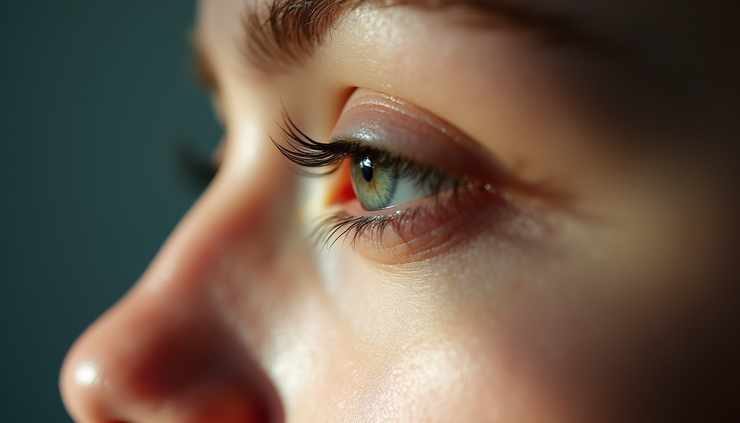
Resting your eyes regularly helps reduce strain and maintain eye health.
Lifestyle Habits That Support Eye Health
Beyond resting your eyes during the day, certain lifestyle choices can improve your eye health over time.
Maintain a Healthy Diet
Eating foods rich in vitamins A, C, and E, as well as omega-3 fatty acids, supports eye health. Leafy greens, carrots, fish, nuts, and citrus fruits are excellent choices.
Stay Hydrated
Drinking enough water helps keep your eyes moist and prevents dryness.
Get Quality Sleep
Sleep allows your eyes to repair and recover. Aim for 7-9 hours of restful sleep each night.
Protect Your Eyes from UV Rays
Wear sunglasses that block 100% of UVA and UVB rays when outdoors to prevent damage from sunlight.
Avoid Smoking
Smoking increases the risk of eye diseases such as cataracts and macular degeneration.
When to See an Eye Care Professional
If you experience persistent eye discomfort, vision changes, or symptoms that do not improve with rest, consult an eye care professional. Regular eye exams can detect problems early and help maintain your vision.


Comments